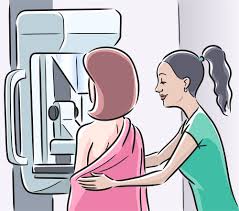
Showing posts with label Breast Cancer Symptoms. Show all posts

Tuesday, October 23, 2018

Breast cancer symptoms and signs


If you have known or heard of anyone who has been diagnosed with breast cancer, you have probably wondered about breast cancer symptoms and signs. Breast cancer is a serious condition resulting from the uncontrollable growth of breast cells. 22% of all cancer cases associated with women are of breast cancer. Even though a woman is much more likely to be diagnosed with breast cancer, it is still possible for men to contract it, so it is important that both genders are well-informed on breast cancer symptoms and signs.

Cancer results from gene mutations that allow cells to replicate themselves without regulation and eventually form tumors, which can be either benign or malignant. Breast cancer comes from malignant tumors that grow from uncontrolled breast cells. If these cancer cells spread to the lymph nodes, they have a pathway to travel throughout the body and possibly harm other healthy cells. Because of how subtle this whole process can develop within the body, the only way to detect breast cancer is to diligently check for the presence of breast cancer symptoms and signs.

The most prominent early sign of breast cancer is the presence of a lump on a woman’s breast. This lump can be found anywhere on a woman’s breast right under the skin surface and can even be located in the armpit’s lymph nodes. This lump is usually hardened, painless, and has uneven edges, but it also can be softer and more rounded. Since this lump has different characteristics and can potentially go unnoticed or ignored, the only way to confirm the possibility of breast cancer is through a mammogram performed by a doctor.

Besides a lump, other breast cancer symptoms and signs include skin irritation or a skin dimpling, changes in breast skin color or texture, swelling of all or part of the breast, pain in the breast or nipple, changes in nipple appearance including the nipple turning inward or a red and scaly thickening of the nipple, and a clear or bloody discharge from the nipple. All of these breast cancer symptoms and signs should be taken into consideration when trying to diagnose one’s self, but the only true answer you will get is by seeking official medical advice from a trained physician.

Breast Cancer Symptoms in Men


Breast cancer in men is a rare disease. This is because men do have a small amount of breast tissue, similar to that of a prepubescent girl. Men do not secrete the same hormones as women do during puberty which is why their breast tissue never fully develops. However, it is still breast tissue and can still develop cancer.

The rarity of male breast cancer means that most men are not in tune with breast cancer symptoms that would alert them to the problem. Another possibility is that men are less likely to be suspicious of an abnormality in the area and coupled with the smaller breast tissue makes it more difficult to spot cancer early and before it can spread. The American Cancer Society identifies several breast cancer symptoms that men should take note of, including:

1. Skin dimpling
2. Nipple retraction
3. Redness of the nipple or breast
4. Nipple discharge

These symptoms may seem obvious but they are not the only breast cancer symptoms men may experience. Vague symptoms, such as aches and pains (not limited to the breast area) or fever could be early symptoms. These vague symptoms present yet another difficult challenge to overcome. Others include; depression, fatigue, persistent cough, and difficulty swallowing.

Fever and fatigue are two breast cancer symptoms men may experience only after cancer has grown. Additionally, they can be linked to other forms of cancer and are not limited to breast cancer. A persistent cough could point to a wide range of maladies from the benign common cold to the flu, but if it persists longer than three weeks, it could be cancer.

Lastly, breast cancer symptoms in men also include lumps or swelling in the lymph nodes and testicles, urinary problems and indigestion. The problem with many of these secondary and tertiary symptoms is that one would not associate them immediately as breast cancer symptoms. The urinary problems, such as the urge to urinate more often, inability to start urinating, and weak stream, are similar to those associated with a weak bladder or an enlarged prostate, both of which are more common in men than breast cancer. Indigestion is more commonly associated with a heart attack or GI problems than breast cancer.

Breast cancer in men is a serious disease, one that should not be taken lightly and whose warning signs should not be ignored. If you begin to develop any of these symptoms please see your doctor as soon as possible.

Wednesday, May 17, 2017

TYPES OF BREAST CANCER SYMPTOMS


There are several TYPES OF BREAST CANCER SYMPTOMS, which can be seen in either men or women. When a microscopic breast cancer begins, there is really no evidence that one, two or more breast cells have turned into cancer. We now know that many things can stimulate the cells to grow faster, including for some women, the female hormones. Independent of what type of breast cancer is growing, the first clue that something is wrong, is usually a breast lump. Ninety (90%) percent of the time, the woman, or man in some cases, will feel a small lump when they press against their breast.

When the lump becomes large enough to be detected, the question will always be is this a TYPE OF BREAST CANCER SYMPTOM and sign, or is it something else, like an infection? Typically, infections are tender and cancers are hard, firm and non-tender. The lump can be further checked out by your doctor, who may order a mammogram or a newer test (Breast Enhanced Scintigraphy Test, a.k.a. B.E.S.T.) to see if it’s a breast cancer or something else. Like all cancers, breast cancers are associated with bloody discharge.

When this TYPE OF BREAST CANCER SYMPTOM occurs, there is a bloody discharge from the nipple. It is frequently found when the breast is squeezed. As cancer grows, it distorts the breast, pulling it in, in some area and bulging the breast out in other areas. Some breast cancers (Paget’s disease, not the bone disease) produce a hard crust around the nipple that is reddened and irregular in shape. This unique TYPE OF BREAST CANCER SYMPTOM represents an extremely aggressive form of breast cancer and should never be ignored or taken lightly. Other TYPES OF BREAST CANCER SYMPTOMS include an orange discoloration (peau d’orange; a.k.a. orange peel) of the skin, which indicates you probably have “inflammatory” breast cancer.

All of these cancers can begin anywhere in the breast and spread out into the remainder of the breast and into the breast tissue found under the arm. Here, in what doctors call the axilla (armpit), the TYPES OF BREAST CANCER SYMPTOMS present include the lumps within this area of this breast as well as swelling of the lymph nodes. This means the breast cancer has spread. After leaving the breast, the TYPES OF BREAST CANCER SYMPTOMS, which can be seen, include headaches, bone pain, and abdominal pain.

 The TYPES OF BREAST CANCER SYMPTOMS, which can be seen include lumps, bumps, swelling, bloody discharge from the nipple and can be seen anywhere in the breast. Women and men with these symptoms should be seen by their doctors to determine if they have breast cancer and how serious it is.

Sunday, May 14, 2017

Triple Negative Breast Cancer Symptoms

Any symptoms of breast cancer are cause for serious concern. Triple Negative Breast Cancer is first found when the screening for cancer or “pathology report” says that the breast cancer cells tested negative for estrogen receptors (ER-), progesterone receptors (PR-), and HER2 (HER2-). This means the cancer is triple-negative.

Triple negative breast cancer symptoms are very similar to more common symptoms of breast cancer. The most obvious is an uncommon swelling in a specific area or a noticeable cyst. Terrifyingly, there may be no symptoms of breast cancer present at all, making regular doctor visits and mammograms that much more important, as well as follow-ups and frequent self-examinations.

Prognosis and Treatment
Triple-negative breast cancer is often more aggressive than other types and isn’t a good candidate for treatments such as hormonal therapy and Herceptin. But triple-negative breast cancer can be treated with chemotherapy and radiation therapy.

Breast Cancer in Men Symptoms
Similarly, breast cancer in men symptoms is very similar to those in women. Because men possess a small amount of breast tissue in their chests, a condition very similar to that in women can develop. Identification begins with sensitivity, a lump, or unusual swelling. However, diagnosis most commonly occurs when the condition progresses to skin irritation and bleeding. Breast cancer in men symptoms are a serious concern and should be taken very seriously.

Saturday, May 13, 2017

ABOUT BREAST CANCER SYMPTOMS


Have you ever wondered what the breast cancer symptoms are or would you rather just not think about it? Women today have a lot on their plate trying to be working moms combined with being a soccer mom, wife, housekeeper, caregiver, errand runner and head chef of the house! It’s difficult enough to get through each day, kids-in-tow, without adding something else to think about, especially something like breast cancer symptoms!

Breast cancer signs and symptoms aren’t always the most visible at first. Sometimes the cancer is so tiny that it is only found by a mammogram or a sonogram. The key here is to remember that the earlier you find it and get it treated, the more likely you are to be completely cured of it.

So what should you do to try to make sure your breasts are free of any cancer and cancer symptom? Do self-exams of your breasts every month. Mark it down on your calendar to make sure that you do it. Decide what time of day works best for you so you can focus on your self-exam uninterrupted. You can examine your breasts while still in bed in the morning or while in the shower. Asking your partner or spouse to assist you is a great idea since they are often the ones who actually find a lump by accident. Go for your annual physical without fail so that the doctor can perform his or her own breast exam for you. Get that annual mammogram! Mammography is responsible for discovering many breast cancers each year.

Check your breasts for any signs of color change other than their normal color. Look for dimpling of the skin on your breasts. Is there redness? Is there soreness? Are there any lumps or knots that you can feel with your fingertips? Is there a mass of any sort, whether soft or hard? Is there any discharge coming from your nipples?

If you have even one of these breast cancer symptoms, make an appointment with your physician immediately to have it checked out. Only he or she will be able to determine if any further tests are necessary. Remember, don’t make the decision to see or not see the doctor on your own. Just go get it checked out. Taking that little bit of extra time out of your day may save your life!

Friday, May 5, 2017

Knowing about Stage 4 breast cancer symptoms

OK, ladies, the doctor is in; for today we are going to take some time and talk a little bit about stage 4 breast cancer symptoms. As with all types of cancers, breast cancer symptoms are grouped and spread across a wide range of symptoms. There are some that are so devious they do not even have obvious symptoms of any kind at all readily discernible to the human touch.

We want to keep it simple today so we will be going over the most common breast cancer symptoms that you will see. A lot of individual self-diagnosed breast cancer symptoms might be wrongly identified because they could be results of small abnormal conditions like a cast. It can all be so confusing, what is a woman to do?

Well, let’s see. In looking for breast cancer symptoms, you should probably first complete a breast self-exam. Actually, make this a routine for the rest of your life. Do it at least once per month. For any of you who are over the age of 40, your chances of seeing breast cancer symptoms increase dramatically. Besides the breast self-exam, you should have a mammogram and a physical at least one per year by your doctor.

In doing your exam for stage 4 breast cancer symptoms, look for small lumps where you normally have smooth skin and tissue. Check down the insides of your breasts. Lift up and check under your breast. Be sure to cover the top and up close to your underarms.

If you find a lump while searching for breast cancer symptoms, do not be scared, this is only the first step. The lump is likely to be painless and hard. If it has an uneven edge, that shows a greater chance for it to be cancer than saying something that is even all around like a cast.

There could be unusual swelling, nipple pains, redness, skin dimpling and maybe even breast discharge of something other than milk. Any of these breast cancer symptoms should be reported to your doctor right away and have them checked out.

These breast cancer symptoms may lead your doctor to do more tests. Maybe the doc will order a mammogram or breast MRI. If the lump seems troubling she might order a biopsy where they go in and take a piece of the lump to have it analyzed.

If you have any of these stage 4 breast cancer symptoms do not wait to see your doctor. The earlier you can detect cancer the more options you have for treating it. Breast cancer is treatable if found early enough and there is no reason not to get it taken care of before it is too late.

Sunday, April 16, 2017

Breast Cancer Symptoms Pain

Breast cancer symptoms pain in the chest area is usually one of the first signs. Many of us have been taught that chest pains signify heart attacks.

Often women ignore chest pains or misconstrue them as heart problems. This can be a fatal mistake. Chest pains are often the first signs of breast cancer when no visible lumps can be detected. Breast cancer symptoms pain in the nipples or nipples turning inward and can also be detected by swelling of all or parts of the breast.

Breast cancer is a disease in which damaged cells in the breast become malignant and form in the tissues of the breast. Cancer can be induced by too much estrogen in the body. Hormone replacement therapy for several years with high doses of estrogen or extensive use of birth control pills can cause that lead up to breast cancer development. Other causes known to fuel the growth of breast cancers are certain types of proteins or low oxygen levels in the body. Alcohol use of more than two drinks daily may increase your risk of breast cancer. Other causes of the disease may not be controllable such as family history of the disease, age and gender, and defective genes which are passed on by a parent.

Annual mammograms are the best measures of prevention since early detection is crucial to providing a cure. If cancer is treated early an optimistic outlook for good health can be expected. Lymph nodes are also checked when biopsies are deemed necessary to make sure cancer has not spread to other parts of the body. Lymph nodes are the mode by which the disease is carried throughout the body and when infected nodes are found survival rates decrease since the disease has now spread beyond the breast area.

Treatment of breast cancer depends on many factors such as the stage of progression. There are five stages of cancer from zero to the fourth stage. The higher the stage the cancer is in, the slimmer the chance of survival. Treatment also depends on sensitivity to certain hormones or if cancer over produces a gene called HER2/neu.

Breast cancer is still among the most common cancer in women. Statistics show that one out of every eight women will develop breast cancer. Breast cancer is fatal in one out of every 20 women. Men can also develop breast cancer however statistically only one out of 100 men is affected by the disease. Diet and hormonal causes are believed to be the leading culprits of the causes for breast cancers.

Once breast cancer has been detected it is best to get all the facts from your physician and follow up on regular checkups. A strong support group of family, friends and other cancer survivors can lift one's spirits and renew spirits and hope.

Getting active in support groups can also take your mindset off of the problems you face. Support groups will remind you that you are not alone in battling breast cancer.

Monday, April 10, 2017

Breast Cancer Recurrence Symptoms

Breast cancer recurrence symptoms may take one unawares. Having survived the big C people want to move on and figure that lightning will not strike in the same place twice. The facts are that as many as ten to twenty percents of breast cancer patients will develop cancer recurrence symptoms within the first one to five years after the initial treatment of breast cancer.

Local breast cancer recurrence symptoms reappear in the same area as the original, or “primary,” tumor. This could be in the remaining breast in patients who’ve had a lumpectomy, or it may be in the chest wall or skin in women who’ve had a mastectomy. Signs and symptoms of local recurrence within the same breast may include:

” A new lump in your breast or irregular area of firmness
” A new thickening in the breast area
” A new pulling back of the skin or dimpling at the lumpectomy site
” Skin inflammation or area of redness
” Flattening or indentation of the nipple or other nipple changes

Signs and symptoms of local breast cancer recurrence symptoms on the chest wall after a mastectomy may include:

” One or more painless nodules on or under the skin of the chest wall
” A new area of thickening along or near the mastectomy scar

Regional breast cancer recurrence symptoms mean the cancer has come back in the lymph nodes in your armpit or collarbone area. Signs and symptoms of regional recurrence may include:

” A lump or swelling in the lymph nodes under your arm or in the groove above your collarbone
” Swelling of your arm
” Persistent pain in your arm and shoulder
” Increasing loss of sensation in your arm and hand

Furthermore, Distant or metastatic breast cancer recurrence symptoms mean that cancer has traveled to distant parts of the body. This most commonly occurs in the bones, liver and lungs.

The signs and symptoms may include:

” Pain, such as chest or bone pain
” Persistent, dry cough
” Difficulty breathing
” Loss of appetite
” Persistent nausea, vomiting or weight loss
” Severe headaches
” Fever
” Chills

After treatment for breast cancer, continue to see the doctor for scheduled follow-up exams. Your doctor will check for any signs of breast cancer recurrence symptoms. You’ll also need an annual mammogram if you had a lumpectomy. Still, many women and men discover recurrent on their own. You know your body best – what feels normal and what doesn’t. Check your breasts or chest wall after mastectomy every month to look for changes.

It’s important to be aware of the signs and symptoms of recurrent breast cancer, such as:

” New pain
” Changes or new lumps in the breast/s or surgical scar or chest wall
” Weight loss
” Shortness of breath
If breast cancer recurrence symptoms are present see your doctor immediately.

Wednesday, April 5, 2017

MALE BREAST CANCER SYMPTOMS: EDUCATION AND EARLY DETECTION A PATHWAY TO REDUCTION

Male Breast Cancer Symptoms are just as easily detectable as they would be in women. The only problem is, men typically do not recognize symptoms because they simply aren’t looking for them. If male breast cancer symptoms are detected early, there is the potential for a great treatment response.

Some male breast cancer symptoms include bleeding from the nipple, painless lump formations, changes to the skin around the breast area, changes to the nipple area, and discharge from the nipple. If cancer becomes more advanced and metastasizes, symptoms like increased bone pain, sickness, weakness, and even noticeable weight loss will occur.

Male breast cancer symptoms are typical in those over between the ages of 60 and 70 years old; however, it isn’t impossible to develop male breast cancer symptoms at any age. On average, 2000 men a year develop this form of cancer and approximately 450 die each year due to this form of cancer. This is probably due to the fact that since such a small percentage develops this form of cancer, there is little in the media that would prompt males to do self-examinations. Since so many take it for granted that they will not develop this form, the detection rate is extremely low until it is too late.

To date, nothing has been pinpointed as to the direct cause of male breast cancer. However, many factors exist that point in the direction of certain predispositions to this. These include family history; high levels of estrogen, even cirrhosis of the liver can be a determining factor.

The dangerous part about detecting cancer early is the fact that many males who have this form of cancer may not even notice the symptoms.

For example, if you are a man who is physically fit and works on your pectoral muscles a lot, you probably wouldn’t necessarily notice or even recognize the difference between a small lump formation and your hardened pectoral muscles. Alternatively, if you are an overweight male, you may not detect it for other reasons. The fact of the matter is, aesthetics have little to do with actually having male breast cancer. Cancer just happens to be one disease that does not discriminate.

The good thing is, male breast cancer is rare, accounting for only about 1% of breast cancer cases. No one wants to be in that percentage. However, presuming that you are, you want to give yourself the best chances of survival.

Yes, men have breast tissue, not unlike a prepubescent female. With this fact in mind, men should take the proper precautions to promote early detection. This can only really be done by removing the stigma associated with the fact that it is “breast cancer”. The best way to catch male breast cancer symptoms is to do what you would advise your mother, sister, daughter or girlfriend-go to the doctor.
Do a self-breast exam. It may be embarrassing, but it is your life. Like you would with any other form of cancer, it is up to you to take control and be proactive in the fight against male breast cancer.

Saturday, April 1, 2017

Recognizing Breast Cancer Symptoms

Recognizing Breast Cancer Symptoms  - Understanding can be difficult since often early signs are not always recognizable. So where do symptoms begin and what are they? Cancers begin with a group of diseases which cause cells to rapidly change and grow out of control. Most cancer cells grouped together in masses are labeled tumors. A tumor formed by the abnormal growth or swelling of cells which is called neoplastic.
Tumors can be benign or malignant and are not defined the same as cancer. Cancers are always malignant. Symptoms are not always recognized and treatment varies on the discovery of the size, location, and stages of cancer in the victim.

Breast cancer symptoms can be a noticeable flattening of the breast. This could mean a deep tumor which cannot yet be detected or felt. Because lumps are usually painless a person should be aware of tingling or tenderness and pain in the chest or breast. Any changes in size, color, itching, discharge, texture, or even the temperature of the breast, are all known breast cancer symptoms. A red pitted skin surface resembling the skin of an orange could signify advanced stages of breast cancer.

It cannot be said enough that a key factor for a cure, is recognizing the symptoms of breast cancer. Annual mammogram tests save lives. The earlier the detection of breast cancer and breast cancer symptoms is recognized, the higher your rate of survival becomes. The Internet on line support groups are available and can be very comforting to victims of breast cancer. Foundations such as the Susan G. Kommen foundation and the American Cancer Society reach out to victims of breast cancers. Support groups and programs often help with expenses and support.

Once a diagnosis of cancer is given, therapy can commence. Milder stages of cancer may only require local therapies. Local therapy includes the use of radiation and surgery. Methods for systematic therapy for a bit more advanced breast cancers include medication drugs given orally by mouth that go into the blood stream and destroy any remaining cancer cells. Chemo therapy, hormone therapy, and targeted therapies are all part of systematic therapy.

Adjuvant therapy is a preventative measure for patients who have no visible signs of breast cancer remaining to be treated. Adjuvant therapy tries to kill hidden cancerous cells that break away from the primary breast tumor that may continue to spread to other places in the body and form new tumors.

Neoadjuvant therapy is when treatment such as chemotherapy or hormonal therapies is given before surgery. Treatments are given before the surgery for the purpose of giving the breast cancer victim a less invasive or intensive surgery. The hope is that it may shrink the cancer location enough to give less discomfort to the patient after surgery.

Saturday, March 18, 2017

What Are the Signs and Symptoms of Breast Cancer

Many scoff at the idea of breast cancer symptoms in men. After all, men don’t have breasts, they have chests. It may be surprising to know that in the United States about 1900 men develop breast cancer per year. Breast cancer symptoms in men include:

” Skin dimpling or puckering
” Nipple retraction or inversion
” Redness or scaling of the nipple or breast skin
” Nipple discharge – clear, milky or bloody

” Mass in the breast area, a lump that can be felt no matter how small
” Swelling or mass in the armpit, swelling of the breast
” Pain in the nipple or prolonged itching of the nipple
” Persistent tenderness of the breast

Breast Cancer Symptoms in men should be paid prompt attention. Males often ignore symptoms due to feelings of embarrassment that causes them to question their masculinity. They do not understand the gravity of breast cancer symptoms in men. Many males think their breast lumps are an infection or some other issue, and they do not get medical treatment until the mass has had a chance to grow, allowing cancer to spread into the tissue under the arm. Though lumps can easily be removed during a biopsy, allowing a quick analysis of the removed tissue, men are often embarrassed about finding a breast lump and worry that someone might question their masculinity. This belief tends to delay diagnosis and reduces a man’s odds of successful treatment and may cause needless death.

Male breast cancer is most commonly diagnosed in men between the ages of 55 and 70 years old. Knowing their family health history can be a good indicator of when men should have a breast exam. It is recommended that men with a history of family cancer who are older than 55 be screened for breast cancer. But breast cancer symptoms in men have been diagnosed as young as their twenties.

Men with a BRCA gene mutation have a higher risk of developing breast cancer, prostate cancer and skin cancer (melanoma). In some men (and women), BRCA2 gene mutations have been associated with an increased risk of lymphoma, melanoma, and cancers of the pancreas, gallbladder, bile duct, and stomach. Furthermore, these cancers are more likely to develop at a younger age in men with a BRCA mutation.

Some of the other risks other than BRCA that increase the chance for breast cancer symptoms in men are seen with hyperestrogenism found in Klinefelter’s syndrome (XXY), obesity, and cirrhosis. A sign of hyperestrogenism is gynecomastia (abnormally enlarged male breasts). If Gynecomastia exists then any breast cancer symptoms in men should receive immediate medical attention from their doctor. Two more risks for developing male breast cancer include exposure to radiation and the use of the medication Finasteride (Propecia, Proscar), used to treat benign prostatic hypertrophy and prostate cancer. If any breast cancer symptoms in men develop with persons having this risk factors special attention should be given to them as there are to set protocols to follow at this time.

Friday, March 17, 2017

Male Breast Cancer Symptoms

There are many common symptoms of male breast cancer that men should be on the lookout for. Some of the common symptoms of male breast cancer are nipple pain, a lump felt in the breast, nipple discharge (clear or bloody), an inverted nipple, enlarged lymph nodes under the arm, sores on the nipple and areola (the small ring of color around the center of the nipple).

In addition, there are many early breast cancer symptoms that women should watch out for. Diagnosing breast cancer early can make a huge difference. In the beginning stages of breast cancer, it usually has no symptoms. However, as a tumor develops you may begin to see the following symptoms: one of which is a lump in the breast or underarms that continues to develop after your menstrual cycle is complete. This particular symptom is often the first symptom of breast cancer.

Another symptom of breast cancer is swelling in the armpit. Tenderness or pain in the breast is another common sign. Lumps are often painless but pain or tenderness can, in fact, be a symptom that one has breast cancer. An indentation or flattening on the breast may also be a sign. This can be a sign of a tumor that cannot be seen or felt. Any difference in the texture, size, temperature or contour of the breast can also be a symptom. Having a reddish color like the pic of an orange can also be a sign and so can changes in the nipple such as nipple itching, dimpling, retraction, or a burning sensation.

Clear or bloody discharge from the nipple is also a common symptom. Breast pain, skin irritation, dimpling, swelling of part or all of the breast are some common symptoms. One of the classic symptoms of breast cancer is the lump found in the breast or armpit.

Of the many breast cancer symptoms, pain is often another one. However, pain is also a symptom that can be mistaken for breast cancer when in reality the pain is caused by something else. Breast cancer has very few warning signs, however, and pain is actually rarely a sign of the disease. Very few complaints of breast pain are indeed breast cancer. Even though this is the case, if one is experiencing pain, a breast exam should be performed to ensure that there is no lump. For many women, it is also a good idea to track breast pain with their monthly cycle because the most common type of breast pain occurs during women’s monthly menstrual cycle and is related to our hormones. The breasts swell and become more tender and lumpy. Breast pain is also one of the symptoms of women who are premenopausal. Women need to take their pain into consideration and determine the other possible factors besides breast cancer that could be causing their pain. All in all, there are sever different symptoms of breast cancer in both males and females, and sometimes certain symptoms such as pain can be misinterpreted.

Wednesday, March 15, 2017

Symptoms of Advanced Breast Cancer

Breast cancer recurrence symptoms are often recognized by a small lump in the chest or breast area. Hardening of the breast or thickening of the tissue may occur. Discoloration of the skin may show up due to an interference with the normal flow of the blood through the lymph vessels in the breast tissue. Too much exposure of the breast to the sun can increase this recurrence as well. Wearing protective sun lotions with high UV intensity are recommended to avoided reoccurrence of breast and skin cancers.

Other breast cancer recurrence symptoms are a leakage of fluid which may leak from one or both nipples. This fluid may be void of color or milky in appearance and may also contain hints of blood with the discharge. The symmetry of the breast may also be affected. Parts of the breast may be dimpled or indented.

The skeletal structure particularly can be affected by recurrent cancer of the breast spreads. This is known as bone metastasis. Metastasis is different from cancer that begins in the bone. Cancer that leads to bone metastasis may have started in your breast, your prostate, your lungs, or other parts of your body. Cancer that has metastasized to the bone is not curable but treatable. Treatment will ease pain and slow the progression of metastasis.

Later stages of the reoccurrence of breast cancer may include breathing difficulties due to the involvement of the lung and surrounding structures. Especially if the left breast is involved, treatments may be difficult because radiation treatments may scorch the lungs or heart muscle. A physicist is always involved in the hospital procedure of radiation treatments to detect the proper angle of radiation to the breast.

Risks of breast cancer from reoccurring can be reduced with basic preventative measures of diet and hormone reduction methods. Over weight persons and persons with cancer histories may be more prone to recurrences of breast cancer if they do not focus on reduction of weight, through exercise and diet to reduce these risks. Ask your doctor about foods that also help prevent cancer and foods that can stimulate cancer growth. Soy products are notorious for fueling estrogen-induced cancers. The Aronia berry is known to fight cancers along with many other types of fruits and vegetables. A hospital dietician can be used for advice on the do's and don’ts of a well-balanced diet for breast cancer prevention.

Friday, March 10, 2017

Breast Cancer Symptoms in Men


Men, Milk Ducts, Mammograms, and Mastectomies?!?
How to detect possible breast cancer symptoms in MEN, and important signs to NOT disregard as arthritis, weight gain, age, and liver spots.

(Like we didn’t have enough to worry about with colon and prostate cancer)
Okay, I think most of America has seen Meet the Parents, and probably laughed when Jack made the comment to Greg,

“Well, I have nipples, can you milk me?” 1
The statement was funny because Greg was not only caught in a lie about milking cats on a farm, but the pun was the sarcastic question Jack posed to the male nurse. Basically, I am a male, I have nipples, I know you’re lying, and I’m going to humiliate you by asking a question EVERYONE knows the answer to Can you milk me?

The audience chuckles at the awkward question posed by the very blunt and judgmental Jack, and laughed aloud at the obvious embarrassment clouding the face of Greg, who mentally awarded Jack with a “Check Mate, Jerk!’

Enough about Hollywood, but as a man with no medical expertise, it was the first thing that popped in my mind as being somewhat relatable to the breast cancer symptoms I am about to describe.
Men, don’t fret! No one will be milking you anytime soon! That’s the light side of what I’m getting to lay on you. Did you know that breast cancer symptoms in men often include tumors around the nipples, and sometimes nipple drainage? Yes, our nipples can discolor, pucker, invert, and omit a discharge, most often resembling the color of breast milk.

I was even more shocked that another breast cancer symptom could possibly result in a condition called gynecomastias, or “Man Boobs. “As I have gotten older, I myself have acquired a small set of these. Until doing a minimal search on the web, I chalked my growth up as gaining weight, and simply joke that at least I have a set to play with when the misses tells me “NO!”.

I was partly correct in one of my assumptions, that men will deposit fat around the chest area, often when gaining weight. I was unaware of an underlying breast cancer symptom: elevated ESTROGEN! Yes men, as much testosterone as we produce, it is a medical fact that 85% of male breast cancer patients have elevated estrogen, which is a receptor to cancer cells. In addition, our fat cells can turn the male hormone androgen into the female hormone estrogen!

So simply stating, being obese could possibly make you more susceptible to breast cancer by pumping estrogen into our bodies, which as I just described, bonds very easily with cancer cells. Now, please be advised that most cases of gynecomastia are related to hormone levels during puberty to the age of 30, and does not mean you have breast cancer! If you or someone in your family suffers from hormone imbalance, I do recommend following up with a physician to check estrogen levels that are so easily joined with cancer cells.
Breast cancer symptoms, especially for men, may not be easily detectable. Nipple and chest pain and/or tenderness or swelling often occurs, accompanied by discoloration and change of nipple shape. The nipple may invert, or pucker and a bump may present.

Because men are usually unaware of potential cancer in their breast and overlook symptoms, studies have found that men diagnosed with breast cancer stood a higher chance of cancer metastasizing, or spreading to other parts of the body. A simple bump in or around a man’s chest is a breast cancer symptom that is very easy to dismiss and can be fatal. If the tumor grows, the likelihood that other systems in our bodies can be affected, and cancer can spread.

Men, once again, I am not a doctor. I’m not saying that every little bump, change in size, or color of our “pecs”, (I prefer to still call my chest area as pecs, not “breast tissue/muscle”) means run to your physician to be checked for cancer. This article is a very basic explanation of some causes of breast cancer and possible indicators to look for when determining reasons for abnormalities that might, to most men, be easily overlooked.

As always, discuss any questions and concerns with your physician, no matter how silly they may seem to be. Also, if you are unaware of your family’s medical history, try to get some information relating to diagnosis and treatment of any medical condition. Obtaining this information can assist your practitioner in determining tests to administer that may help in early detection of conditions that genetically, you may or may not, have had passed down to you. Some of the tests include the office breast exam, mammograms, and biopsies. If detected early, the male breast cancer survival rate is relatively high when treated in early stages. Your specialist will provide very detailed testing and treatment options.

Remember; don’t be afraid to ask your doctor any question! They are there to diagnose, treat, and educate patients, and there’s never a silly question when it pertains to your health!

Saturday, March 4, 2017

Symptoms for Breast Cancer

I often felt that as a woman the possibilities of being stricken with either diabetes or cancer were very
possible. The afflictions were damned and embedded in me only because of my heritage and gender,
in addition, in the past, it was almost unheard of not assuming that African Americans were at a higher rate than any other ethnic group to succumb to either illness
.
Nevertheless, statistics, as well as ethnicity, has proven my theory invalid, because breast cancer does
not victimize one particular group of people, but it strikes all races and both genders. Breast cancer can surface by means of genetics, stemming from the paternal or maternal side of one’s family, or alternatively, at random, meaning anyone can develop the disease with/without a genetic connection. Nevertheless, whatever the cause for the surfacing of the disease, it is a life-changing, mind-altering occurrence.

The early stages of cancer, like a good number of diseases, it can harbor in the body leaving a person asymptomatic; having no apparent signs to alarm the body that something is consuming and/or destroying the tissue. However, the majority of patients find out about the disease through self-examinations, sudden topical changes, or by their primary practitioners’.

There are several forms of breast cancer, but the most aggressive are Invasive Ductile Carcinoma, which can be more dangerous. The reason is that danger is heightened is due to its silent progression and rarity in producing an indication of the disease, but the formality of a mass usually shows up during a mammogram screening in either male or female.

According to the Breastcancer.org, (a nonprofit organization) there are four significant stages to the
disease and with a series of testing, your oncologist can pinpoint the starting area and if it as progressed to other organs or within the lymph nodes throughout the body. Research has also suggested that though this disease has no gender preference, it is highly diagnosed more so in women than men with a surprising 0.22 percent of men’s cancer deaths from breast cancer (American Cancer Society.) The disease can affect either gender because of the amount of hormones generated and/or constant growth of ductile tissue, use of certain drugs such as marijuana, obesity, liver dysfunction and primarily genetics.

Advanced studies are continuously searching to find the makeup and correlation within its
developmental factors. Supportive teams belong to several non-profitable organizations consisting of
Scientologists that work tenaciously for a finite cure to stop the ailment before its formation can occur.

My aunt is a recent survivor of the disease, and even though she had a less aggressive form,(Mucinous Carcinoma), she had to partake of a very aggressive therapy. Through her four-month ordeal with chemotherapy and her eight-week bout with radiation, and the mastectomy, the disease had not shrunk enough to put her in the clear. However, with additional hormonal treatment and a concoction of “other therapies”, she eventually pulled through.

Such a trying time for a woman whom I have always had a great admiration for because she was
“always” the heroic one. Very strong minded and not easily knocked down, she held up very well during the fight for her life. The fight that only she, God and other cancer survivors could ever understand.

Friday, March 3, 2017

GREATER EXPOSURE TO MALE BREAST CANCER SYMPTOMS CAN ENCOURAGE CURE

Most people are familiar with the symptoms of breast cancer in women, however, male breast cancer symptoms tend to get overlooked. Statistics show that the prevalence of cancer in men is less than that in women, yet its appearance is much more severe. Men harbor the same tissues and tubules behind their nipples as women do. The lack of the female hormone, estrogen, inhibits the growth of regular breasts in men. Even so, these breast tissues are still vulnerable to contracting cancer.

DIFFERENCE BETWEEN MALE AND FEMALE SYMPTOMS
There are a larger number of symptoms of breast cancer in young women than those that occur in men. Some of these symptoms include tenderness of the breasts, inverted or flat nipples, swelling of the armpits, and discharge from the nipples. These are all considered early breast cancer symptoms. The most commonly known symptom, the presence of lumps, is also the main breast cancer men symptom. Other male symptoms include bleeding or discharge of the nipples and irregularity of the skin around the breasts.

Male breast cancer symptoms are larger in severity than the symptoms of breast cancer in young women. This is a product of the fact that there is a much smaller level of breast tissue in men, causing very tiny lumps that are hardly noticeable. The lumps are considered early symptoms of breast cancer, whereas the most noticeable symptoms of bleeding and irregularity of the skin, are symptoms of more advanced stages of cancer. By the time the cancer is detected in these latter symptoms, it has already grown to larger sizes and metastasized (moved from the tubules) to other tissues and sometimes other areas of the body. This means that at these stages it can be impossible to cure cancer.

SELF EXAMINATION IN MEN CAN LESSON THE SEVERITY
The severity of cancer at each stage is the same for both men and women. When the cancer is isolated to the tubules and very small, it will express itself through bodily functions in the same way for a man as it will for a woman. This same phenomenon will occur when the tumors are very large and the cells have traveled around the entire body. Since cancer can be detected at earlier stages due to the more prevalent symptoms of breast cancer in young women, the symptoms are typically less severe. When cancer grows to a more advanced stage, the symptoms are much more severe and the cancer is much more difficult to cure.

Male Breast cancer symptoms should have an equal level of exposure to the public as the symptoms of breast cancer in young women in order to encourage male self-examination. Male self-examination will allow a man to notice those tiny lumps before they leave the tubules and become more difficult to remove. Men would not have to wait until there are bleeding or skin irregularities to notice that cancer has developed.

Thursday, March 2, 2017

The Medical Industry is Finding Breast Cancer Symptoms in Men More than Ever

Breast cancer symptoms in men are becoming more prevalent than ever before. It was believed that in the past that only women were susceptible to the breast cancer. With advancements in the medical industry has proven that they are not alone. It is a well-known fact that men grow breast tissue as well and like any tissue, it is vulnerable to the same laws of the human body. We find more and more men are showing signs of breast cancer because the medical industry is finally looking for the disease in men. In the early days of medicine, the thought that a man could even have breast tissue was unheard of. If there is no breast tissue how could their cancer. In the past, any abnormal ‘lumps’ or hard spots on a man’s chest were simply dismissed as muscle. Fortunately, the science and medical community woke up and have recognized that breast cancer symptoms in men can and do exist.

Making Sure Doctors Check for Breast Cancer Symptoms in Men Thoroughly
Breast cancer symptoms in men may not manifest the same as they do in women. As mentioned before both men and women have breast tissue and are bound by the same laws of the human body, to an extent. The function of breasts are obviously different on men and women, thus there movement and muscle fibers are different. Women’s breasts are high in fat content due to reproductive functions, where men are more muscular or also known as pectoral muscles. We know scientific and medical studies that unused muscle turns to fat. This is where the trouble comes in, as muscle turns to fat, like women and breast cancer symptoms in men starts to rear its ugly head.

Breast cancer symptoms in men are much more difficult to detect than in women. Typically a woman can perform a preliminary breast exam with ease at home. Due to the softer tissue in women’s breast, finding ‘lumps’ or hard tissue is not as difficult. Men, on the other hand, have more muscle than fat, usually, and expect to have parts of the pectoral muscle that have hard spots. However as mention before, muscle does deteriorate and turn to fat, so finding a ‘lump’ or hard spot in an area that has turned to fat can still be used to find cancerous tissue in men. This is why it is vital for men to examine themselves and gain knowledge about the subject. Sure, in some cases, ‘lump’ or hard point amidst softer tissue may not be cause for alarm, but without the proper medical attention, a lot can go wrong. Since most breast cancer symptoms in men go unnoticed it is very important to ask your medical care provider to perform a thorough examination of any suspicious tissue or muscle formations.

Breast cancer symptoms in men are rare and most of us may never ever come across a man that has it, but it is important to know about it. Through research and medical care providers, can gain the insight to understand this disease. Remember, knowledge is power, and what greater power than that over your body, especially over an affliction as rare and hard to detect as breast cancer symptoms in men.

Wednesday, March 1, 2017

Signs and Symptoms of Breast Cancer in Women

There are many signs and symptoms of breast cancer in women from a lump in the breast or underarm to pain, discoloration, or any change in a size of the breast. During the early stages of the tumor’s development, there are no visible symptoms. Only has the tumor progress do signs and symptoms of breast cancer in women can be diagnosed. The most noticeable and apparent would be a lump in the breast or underarms. Following the menstrual cycle, the lump would be present as well as either pain or swelling or both in the armpits. Luckily a lump can be spotted by a mammogram even before pain or swelling occurs and therefore can be treated early reducing the risk for the lump to increase and becoming potentially life-threatening.

There are many other signs and symptoms of breast cancer in women that were once normally attributed to other diseases that are now known to be underlying symptoms of breast cancer. A change in the nipple shape and size or retraction, itching, burning sensations or rashes around the nipple and breasts, discharge from the nipple that may be liquid or blood and even ulcerations are other major signs that there is an underlying case of breast cancer. One general sign would be any change in the breast that is different from the other breast. With these many signs and symptoms of breast cancer in women, it would be easy to over diagnosis breast cancer, but that fact of the matter is there are many changes in the breast and breast tissue that do not turn out to be any sign of breast cancer at all. A regular mammogram and check up are all that would be needed to properly diagnosis if there is a chance of breast cancer occurrence.

Apart from the signs and symptoms of breast cancer in women mentioned above there is also thickening of the skin of the breast which is a sign that is usually ignored by many women because it tends not to be as noticeable as the other signs. The surest way to find out if a woman has breast cancer would be to have any number of imaging testing. Mammograms are first on the list of imaging tests because they check for screening and can show that everything is either okay or if you should get a biopsy. MRI scans can also be used alone with mammograms and are recommended for women with a high risk factor of getting breast cancer such as genetics or family history. A ultrasound can also be used since it sends sounds waves into the breast tissue and projects the image onto a screen where the doctor would be able to see the tumor. A pictogram is a special type of x-ray imaging that is used in the cases of nipple discharge, not a very common sign of breast cancer but a severe sign nonetheless. In any case most women should get a yearly mammogram in order to screen for breast cancer as well as perform personal checks for lumps in the breast and underarms as this would be the best way to identify the most common sign and symptom of breast cancer in women.

Tuesday, February 28, 2017

Symptoms of Breast Cancer in Women

One of the recognizable symptoms of breast cancer in women is a lump. I was just months after my 40th birthday when I found my lump. I was in the shower washing my armpits and probing the area. The lump was about the size of a pencil eraser. I finished my shower and told myself that it was an ingrown hair and I went to work.

On the drive, I remembered my aunt Lorna telling me the symptoms of breast cancer in women a few years before when she was battling the beast. She made me promise to get a mammogram when I was forty, and I promised because anytime a relative with cancer asks for a promise you gotta give it.
While I was at work, my mind kept going back to that lump. It was a slow day so I had plenty of time to poke at it with my finger and just enough imagination to picture a future in which I was bald because of chemotherapy and my children stood weeping by my bedside.

In an effort to calm my fears, I called my sister (the hypochondriac) and I told her of the lump. She googled symptoms of breast cancer in women, then called my mother and my aunt Lorna and added me to the church prayer list.

Within the next eight hours, I was contacted by numerous people about my lump. Aunt Lorna called and gave me the number of her oncologist and said that she had pulled some strings to get me an emergency mammogram. She told me that lumps weren’t always a death sentence and that in her case, after chemo her hair grew back blond and curly, which is exactly the hair she always wanted.
On the day of the mammogram, my mother insisted upon coming with me. She was being very supportive and also very much like a mother who would have to have security remove her from the room to get her to leave.

The mammogram was no picnic, the worst part was when the tech took a picture and my mother looked at it on the screen and then she gasped and put one hand over her mouth and one over her heart.

The picture was my breast, mostly black but with lines of silver that ran like a river towards my nipple. The tech explained that the silver river was completely normal and several days later my lump was diagnosed as fibroids.

My mother was with me when we got the news and she grasped my hand and said “thank-you Jesus.”
She also said, “You got the fibroid from my side of the family. We all have fibroids, doctor, do you think that is why women in my family have such firm perky boobs?”

My lump story has a very happy ending. My Aunt Lorna’s lump story has months of chemo and radiation and hair loss–but it has a silver lining made out of curly hair. My mother-in-law lost a breast. A friend of mine lost her life.

You should know the symptoms of breast cancer and you should contact a doctor if you find something unusual.

You should also know that sometimes a lump is a just lump.

Monday, February 27, 2017

Breast Cancer Symptom Detection

A breast cancer symptom is usually detected as a lump on the upper or middle mammary region towards the armpit region of the breast. Everyone has seen the poster in the doctor’s office that shows the correct way to raise your arm and feel your own mammary glands, and it was an especially fun day in the 6th grade when your gym teacher separated the girls from the boys so that the girls could feel up the different silicone samples of each lumpy breast cancer symptom and giggle.

If one detects a breast cancer symptom early enough, it is usually treatable right away through surgery, radiation and chemotherapy. Because society tends to gear most educational literature and learning programs on detecting a breast cancer symptom towards women, not a vast majority of those educated are very aware that breast cancer is also something that happens in men. Breast cancer in men, although rare and accounting for less than1% of breast cancers, can tend to be painful and fatal or near fatal since not many people are able to properly recognize breast cancer in men’s symptoms early enough to treat it. By the time a man realizes that he has breast cancer, it has probably progressed and the that he might have could cause quite a bit of pain.

Some common breast cancer in men’s symptoms can usually be a firm and painful lump near the nipple, skin discoloration, puckering of the skin, a bloody or discolored discharge from the nipple, weakness, lethargy, and weight loss. Advanced breast cancer men’s symptoms can also result in bone pain at the location of the carcinoma where the cancer has metastasized. Men’s breast cancer commonly occurs in men ages 60 to 80 years of age. Usually the breast cancer and breast cancer men’s symptoms are a result of too much estrogen, alcohol abuse, Klinefelter’s syndrome, or radiation exposure. Once diagnosed, the cancer can be treated with surgery, removing the breast tissue. Additionally, chemotherapy and radiation treatment are incurred as a follow up treatment if recommended by a doctor.